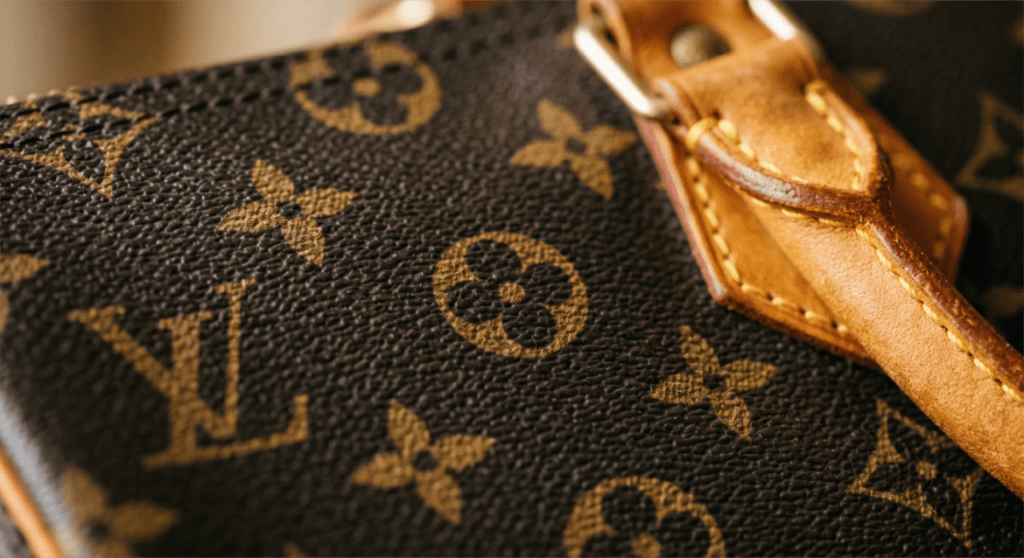
Louis Vuitton (LV) stands as a global titan in the world of luxury leather goods, a reputation built over more than 160 years of innovation and uncompromising quality. Since its founding in 1854 in Paris, the brand has seamlessly merged the art of travel with history, fashion, and meticulous craftsmanship. Whether you are a seasoned collector or a first-time buyer, understanding the diverse range of Louis Vuitton materials is essential for making an informed investment. In this guide, we will dive deep into the iconic canvases, explore the legendary EPI leather durability, and settle the debate of LV Monogram vs Damier.
For those looking to understand the broader market, including how high-quality alternatives compare to the originals, check out our AAA Replica Bags Guide.
The Legacy of Louis Vuitton: From Trunk-Maker to Global Icon
The story of Louis Vuitton begins with a 14-year-old boy who walked over 400 kilometers to Paris to find work. Starting as an apprentice in a woodworking shop, Louis soon became the personal trunk-maker for Empress Eugénie. In 1854, he founded his own workshop at Asnières, revolutionizing travel by creating flat-topped trunks that were stackable and durable, unlike the heavy, rounded trunks of the era (you can read more about this journey in Louis Vuitton’s official legendary history).
Today, the brand remains a symbol of status and refined taste as the flagship house of the LVMH luxury group. From the royal courts of the 19th century to the modern-day runways under creative directors like Marc Jacobs and Nicolas Ghesquière, Louis Vuitton has never ceased its passion for innovation. You can explore their modern collections further at our Louis Vuitton collection page.
Decoding the Classics: LV Monogram vs Damier Canvas
When people think of Louis Vuitton, the first thing that comes to mind is their signature canvas. It is a common misconception that these are made of leather; in fact, they are crafted from a high-quality, durable treated canvas. For a deep dive into how these coated materials transformed luggage during the industrial revolution
The Iconic Monogram Canvas
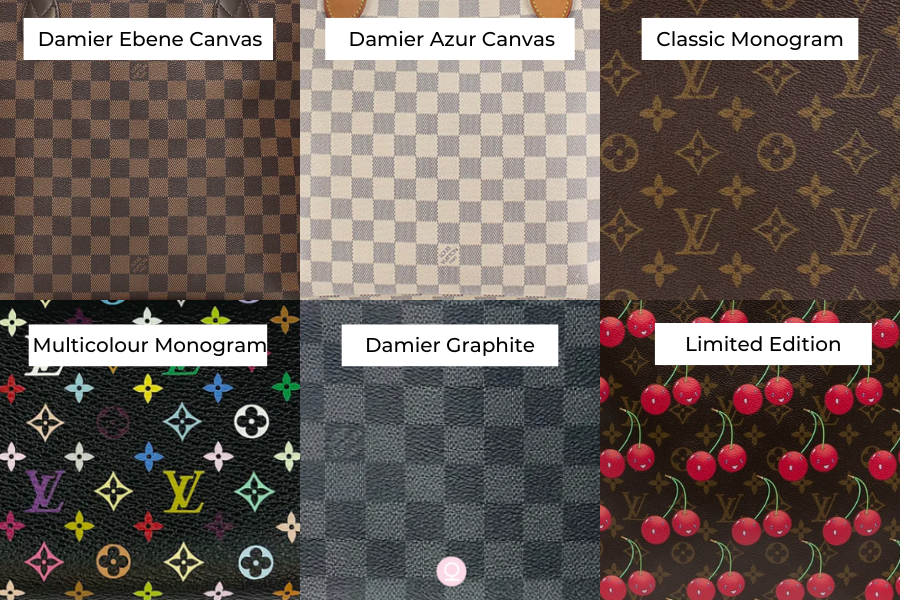
Introduced in 1896 by Louis’s son, Georges Vuitton, the Monogram pattern was designed to prevent counterfeiting. It has since become the most recognized print in fashion history. The pattern consists of several symbolic elements:
- LV Initials: Representing the founder and the “traveler”.
- Stars: Representing direction on a journey.
- Diamonds: Symbolizing the “harvest” or rewards of travel.
- Flowers: Representing the scenery encountered along the way.
The Monogram canvas is typically paired with Vachetta leather trim—a natural, vegetable-tanned cowhide that is untreated. One of the most beloved features of Vachetta is its ability to “age” alongside the owner. Over time, exposure to oils and sunlight causes the leather to oxidize, turning from a pale cream to a rich, honeyed caramel or deep brown.
The Understated Damier Canvas
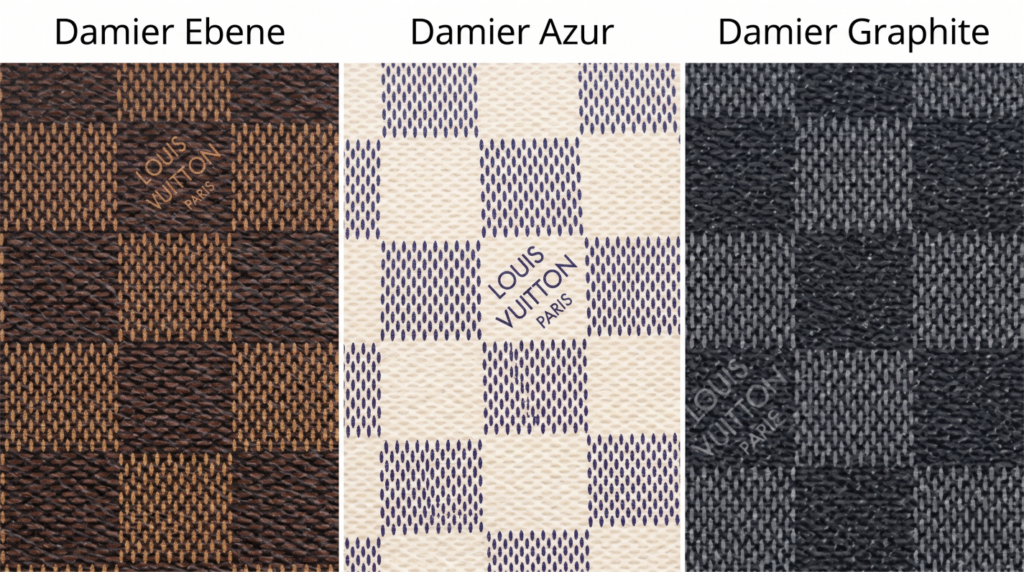
Interestingly, the Damier (French for “checkerboard”) pattern actually predates the Monogram. First launched in 1888, the brown Damier Ebene pattern won a gold medal at the Paris World’s Fair.
Damier is often considered the more “understated” choice. It is highly practical because its dark brown hues and geometric grid are excellent at hiding wear and tear. Unlike the Monogram, the Damier Ebene is typically paired with dark, treated leather trim, making it more resistant to water stains and darkening than the pale Vachetta leather found on Monogram bags.
LV Monogram vs Damier: Which Should You Choose?
The choice between LV Monogram vs Damier often comes down to personal style:
- Style: Monogram is bold, iconic, and immediately recognizable. Damier is subtle, professional, and geometric.
- Durability: While both canvases are incredibly tough, Damier Ebene is generally lower-maintenance because it lacks the delicate Vachetta leather trim that can stain or water-spot.
- Resale Value: Both hold their value exceptionally well, but the classic Monogram often sees slightly higher demand in the vintage market.
The Ultimate Test: EPI Leather Durability Explained
If you prefer an all-leather bag that can withstand the rigors of daily use, look no further than EPI leather. Introduced in 1985, EPI was Louis Vuitton’s first permanent leather line.
What is EPI Leather?
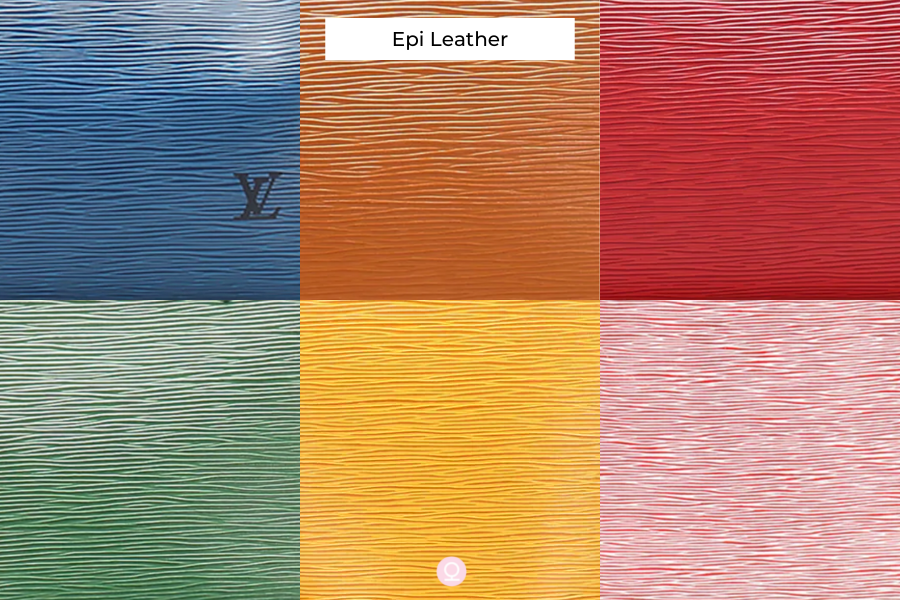
EPI leather is a dyed-through leather with a distinctive textured surface. The word “EPI” refers to an ear of wheat, and the horizontal grain of the leather is designed to mimic the look of a wheat field waving in the wind.
Why EPI Leather Durability is Unmatched
The EPI leather durability is legendary for several reasons (as supported by this External Link: expert guide on Epi Leather characteristics)::
- Scratch Resistance: The deep, textured grain makes it almost impossible to see surface scratches.
- Water Resistance: Due to its specialized tanning and coating process, EPI is much more resistant to water than traditional smooth leathers.
- Structure: EPI is a firm leather, meaning bags like the Alma or the Keepall in EPI leather will maintain their structured shape for decades without sagging.
- Longevity: It does not rot easily and maintains its color vibrancy even after years of use.
Whether you are navigating a rainy commute or a busy airport, EPI leather is perhaps the most practical of all Louis Vuitton materials.
Other Exceptional Louis Vuitton Materials You Should Know
Beyond the “Big Three,” Louis Vuitton has developed several other specialized materials that cater to different tastes.
Monogram Empreinte
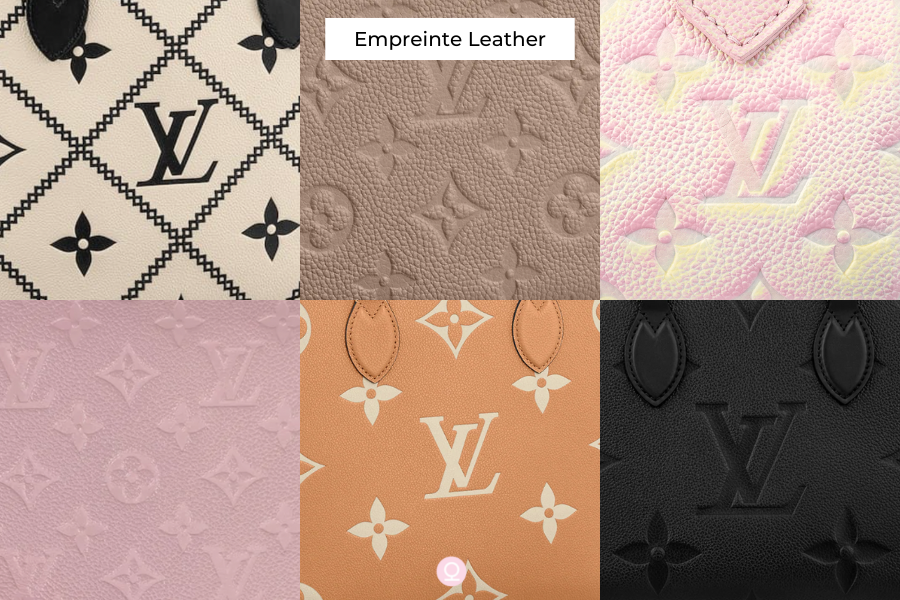
Launched in 2010, Empreinte is a soft, supple calf leather that features the Monogram pattern embossed directly into the skin. It is known for its luxurious feel and sophisticated look. While it is softer than EPI, it is still quite durable, though the embossing can slightly soften or “flatten” over many years of heavy use.
Monogram Vernis
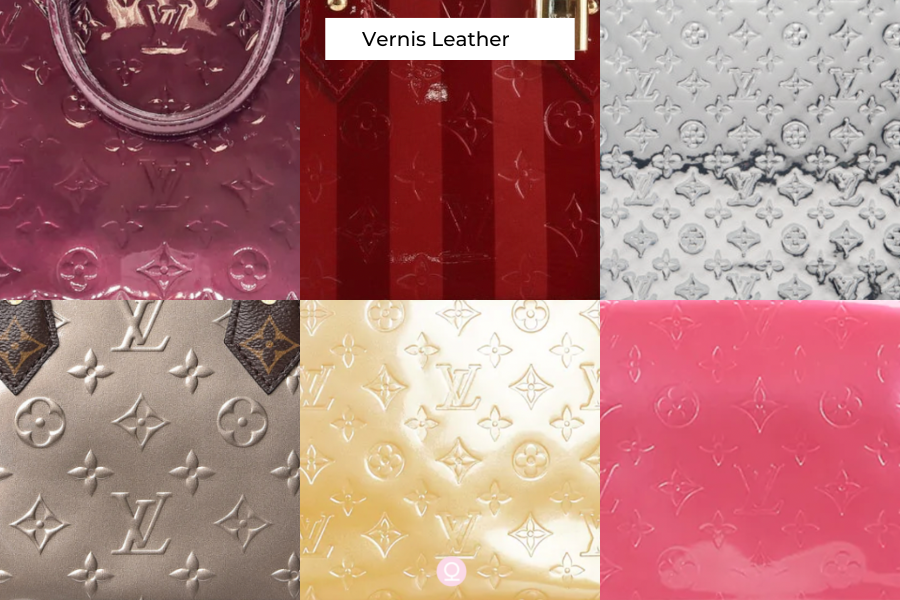
In 1998, under the direction of Marc Jacobs, LV introduced Vernis (French for “varnish”). This is a patent leather embossed with the Monogram pattern. It is incredibly shiny and modern, but it requires “tender loving care” as it is susceptible to color transfer (absorbing dyes from denim, for example) and surface scratches.
Taurillon Leather
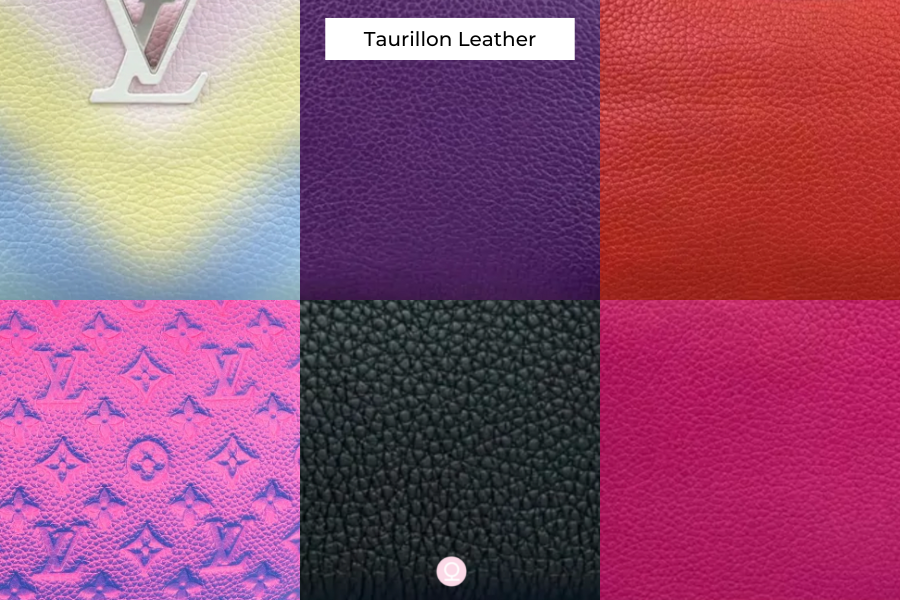
· History and Features: Cuir Taurillon (Bovine leather) is a full-grain leather that celebrates the natural beauty of the hide’s visible pores and grain. It features a sophisticated, slightly pebbled texture that is both tactile and visually rich. Often used in minimalist designs, it may be accented with gold-toned hardware or subtle Monogram Flower motifs.
· Durability: While Taurillon leather feels exceptionally soft and smooth to the touch, it is surprisingly sturdy and light. Its pronounced natural grain is excellent at camouflaging minor surface scratches and signs of aging, making it a perfect marriage of minimalist luxury and long-lasting durability.·
Mahina Leather
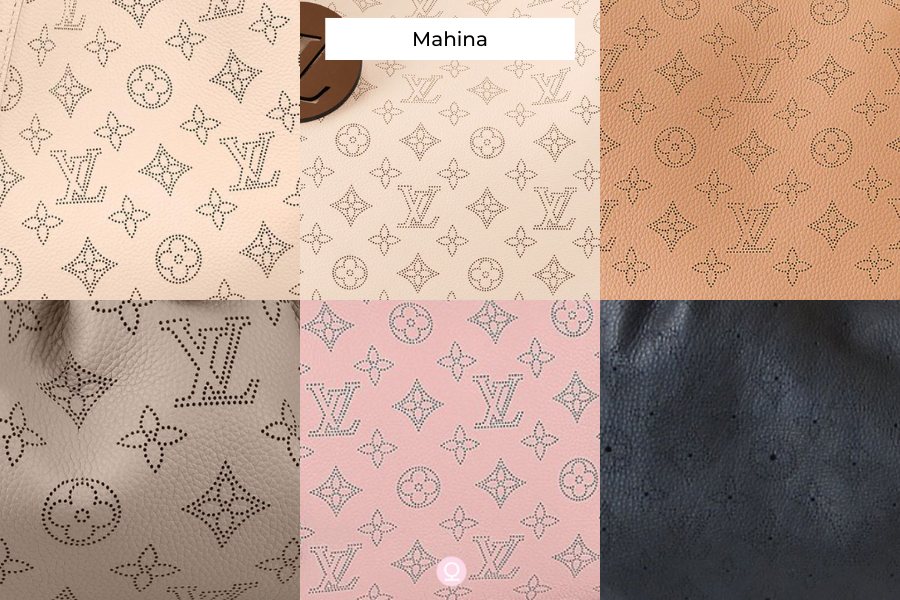
· History and Features: Mahina leather is one of Louis Vuitton’s most prestigious drummed calfskins. What sets it apart is the iconic Monogram pattern, which is created using a high-precision laser perforation technique rather than traditional printing or embossing. This delicate, “pointillist” approach offers a more understated and ethereal way to showcase the brand’s heritage.
· Durability: Known for being incredibly soft with a plush, drummed feel, Mahina leather is the epitome of luxury. Despite its extreme suppleness and beautiful drape, the thick calfskin base ensures excellent resilience and strength, allowing the bag to carry daily essentials while maintaining its elegant silhouette.
Taiga Leather
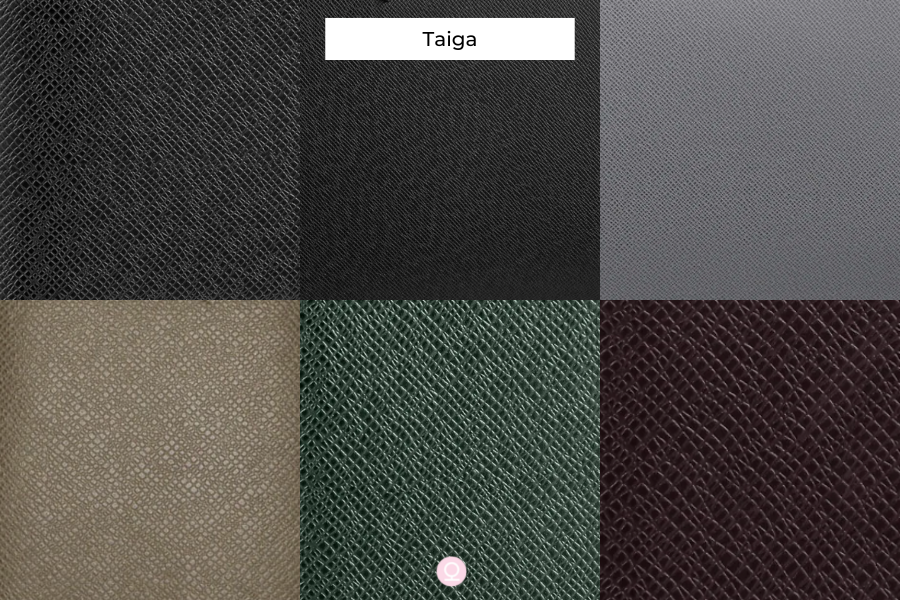
History and Features: Launched in 1993, Taiga leather was Louis Vuitton’s first collection specifically designed for men. Named after the vast coniferous forests of Russia, it is crafted from high-quality calfskin. The leather is sanded to remove natural imperfections and then embossed with a distinctive, fine cross-grain pattern. It offers a matte finish with a subtle sheen, providing a sharp, professional, and modern aesthetic.
Durability: Taiga leather is highly structured and firm, which helps prevent sagging and corner wear. It is remarkably lightweight yet resistant to scuffs and scratches, making it the ideal choice for business professionals and those who require a sophisticated bag for high-frequency daily use.
Monogram Denim
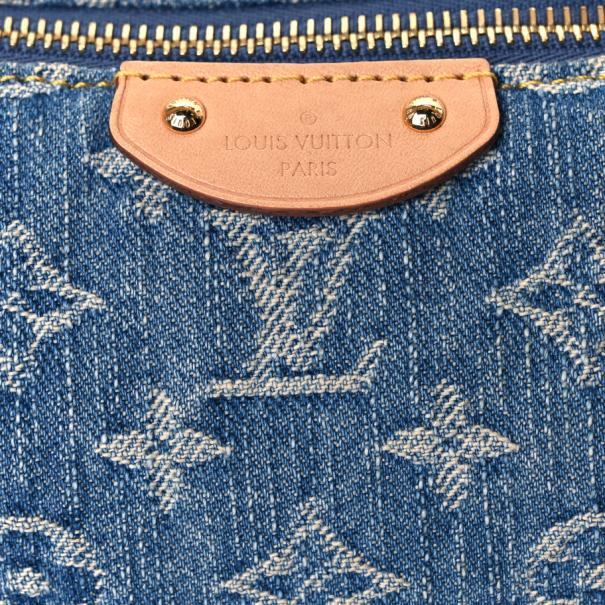
For a more casual, youthful look, LV offers Monogram Denim. This material uses a traditional Jacquard weaving technique to create the pattern. It has a vintage, “stonewashed” feel that has become a cult favorite among fashionistas.
Calfskin Leather
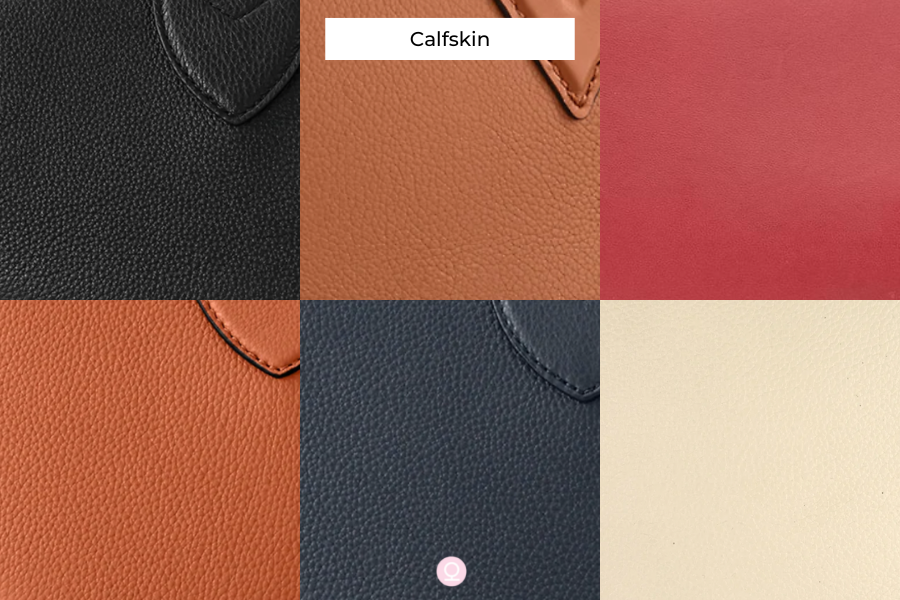
· History and Features: Calfskin is one of the most core and widely used genuine leather materials in the Louis Vuitton library. It is renowned for its fine texture, natural grain, and elasticity. Calfskin plays a crucial role in many of Louis Vuitton’s high-end collections. For instance, the Monogram Empreinte collection features the iconic Monogram pattern embossed onto the softest calfskin, creating a sophisticated relief effect. Additionally, collections like Monogram Denim frequently utilize natural-grain calfskin for piping and trims.
·Durability: Specially processed calfskin (such as the Empreinte embossed leather) not only feels rich and supple but also ranks exceptionally high in durability among the brand’s materials, second only to EPI leather. It offers excellent structural integrity, and newer versions of this calfskin material have been engineered to be lighter while maintaining their strength. As a premium top-grain material, it develops a beautiful natural leather aesthetic over time, making it an ideal choice that balances luxurious appeal with long-lasting practicality.
Exotic Skins: Python and Crocodile
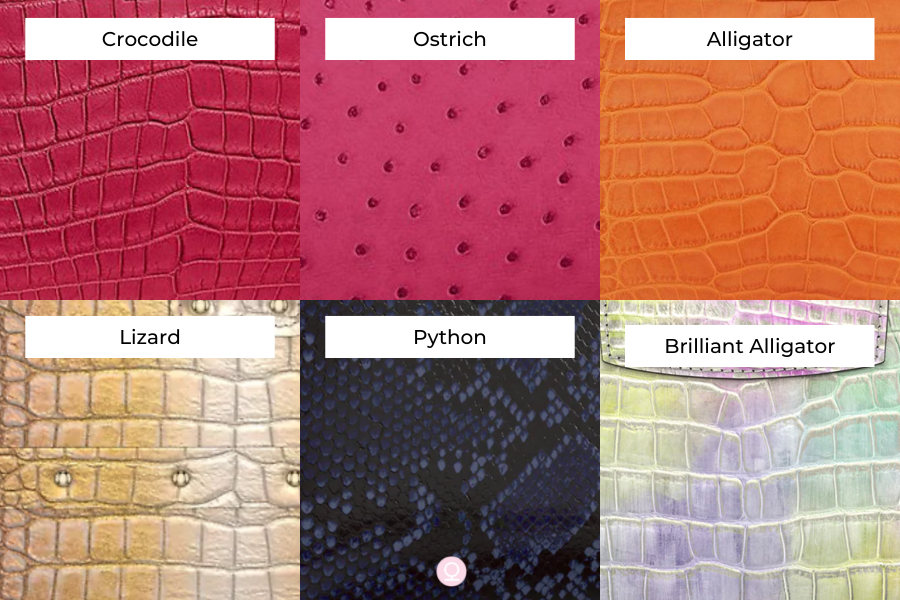
For the ultimate luxury, LV utilizes exotic skins like Python and Crocodile. These materials are incredibly rare and require specialized care. Crocodile belly is the most prized portion, and the natural luster of the scales actually improves with use, becoming more beautiful over time. Python scales are delicate and can lift if exposed to too much humidity, so they must be stored in a dry environment.
Expert Tips: How to Authenticate Louis Vuitton Materials
Due to their immense popularity, Louis Vuitton bags are among the most frequently counterfeited items worldwide. Knowing how to identify authentic pieces is an essential skill for any enthusiast.
Below are material-specific authentication tips based on expert standards:
1. Monogram Pattern Alignment
- Symmetry: On authentic LV bags, the Monogram pattern is precisely aligned and symmetrical from side to side.
- The Flower Test: The center of the flower motif in the Monogram should form an irregular hexagon rather than a perfect circle.
- The Dot Rule: The diagonal dotted lines that make up the pattern should be straight and evenly spaced, maintaining perfect parallel alignment.
2. The Damier Grid
- The “Paris” Stamp: On Damier Ebene or Damier Azur, examine the “Louis Vuitton Paris” logo inside the squares. Prior to 2011, the “S” in “Louis Vuitton” often had a slightly “broken” tail, while newer versions appear more continuous.
- Texture: The grid pattern should not feel completely smooth or flat; instead, it should have a subtle and consistent texture.
3. Heat Stamp and Font Details
Louis Vuitton uses a highly specific font for its internal heat stamps. Watch for these key indicators:
- The ‘O’: Should be perfectly round, not oval-shaped.
- The ‘L’: Features a very short horizontal base.
- The ‘N’: Appears sharp, with the diagonal stroke roughly matching the diameter of the ‘O’.
- The ‘A’: In the “Paris” stamp, the ‘A’ is typically larger, with a noticeably low crossbar.
4. Hardware and Zippers
- Zipper Brands: LV commonly uses high-quality zippers from brands such as riri or YKK.
- Material & Weight: Authentic hardware feels solid and substantial, often made from brass or high-quality plated metal—never lightweight or “plastic-like.”
- Wear Over Time: Genuine hardware tends to develop fine surface scratches rather than peeling or bubbling.
- Engravings: Logos and markings should be crisp, deep, and well-defined—never shallow or blurry.
Conclusion: Investing in Timeless Quality
Choosing between the bold Monogram, the subtle Damier, or the incredibly durable EPI leather is a matter of personal lifestyle. Furthermore, as the brand continues to evolve, they are increasingly committing to External Link: responsible material sourcing and sustainable tanning policies.
However, regardless of which Louis Vuitton materials you choose, you are investing in a piece of history. These bags are designed to last for generations, provided they are treated with the respect they deserve. By understanding the nuances of LV Monogram vs Damier and the technical superiority of EPI leather durability, you can ensure that your next luxury purchase is one you will cherish for a lifetime.
FAQs about Louis Vuitton Materials
Is Louis Vuitton canvas made of leather?
No, the classic Monogram and Damier canvases are made of a specially treated cotton canvas that is then coated for durability and waterproofing. However, the bags are almost always trimmed with genuine leather (like Vachetta or treated calfskin).
How do I stop my Vachetta leather from getting water spots?
Vachetta is highly sensitive to water. To prevent spots, you can use a specialized leather protector spray, but the best method is to avoid using the bag in heavy rain. If it does get wet, blot it gently with a dry, soft cloth immediately.
Which Louis Vuitton material is the most durable for daily use?
EPI leather durability makes it the top choice for an everyday “workhorse” bag. It is highly resistant to scratches and water. If you prefer canvas, Damier Ebene is more durable than Monogram because its dark leather trim does not show stains or wear as easily.
Why is my Monogram Vernis bag changing color?
Vernis is prone to “color transfer”. Because the patent coating is somewhat porous, it can absorb dyes from other items, like dark denim or colored tissue paper. Always store your Vernis bags in their dust bags and away from colored materials.
How can I tell if my LV bag was made in France?
Louis Vuitton produces bags in France, Spain, Italy, the US, Switzerland, and Germany. You can check the “Date Code” (usually a two-letter prefix followed by four digits) inside the bag. For example, codes like AA, AR, and SP often indicate “Made in France,” while CA and LM often indicate “Made in Spain”.